Rethinking “Cute”
March 30, 2026
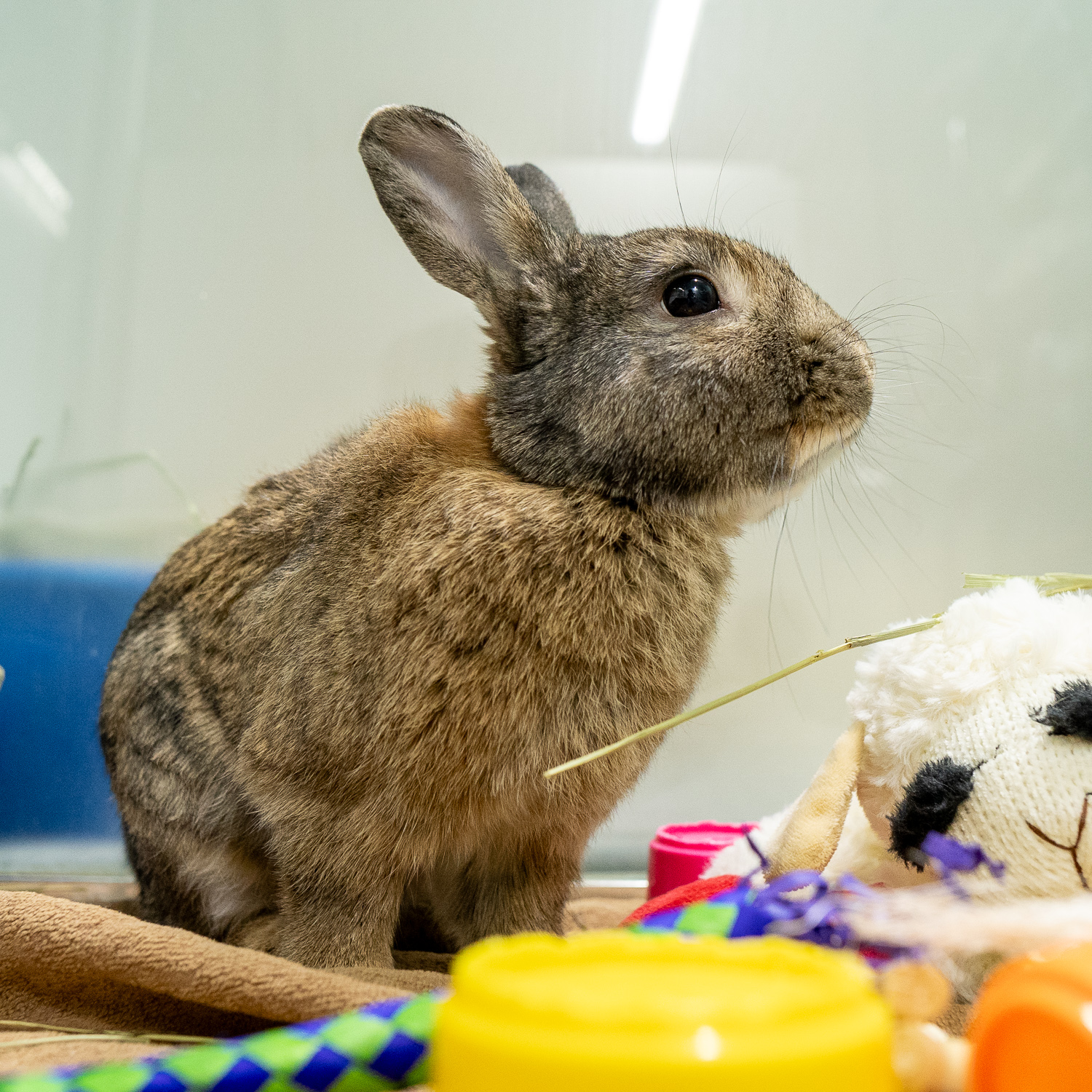
Scroll through social media or wander into a pet retailer, and it’s easy to be charmed by a sugar glider peeking out of a pouch, a hedgehog curled into a tiny ball, or a rabbit small enough to fit in your hands. These animals are often marketed as “pocket pets” and believed to be low-maintenance, adorable companions that fit neatly into busy lives. But behind the appeal lies a much more complicated and often troubling reality.
The exotic pet trade involves the buying and selling of wild or non-domesticated animals for private ownership. This includes everything from reptiles and birds to small mammals like ferrets, chinchillas, and sugar gliders. While some of these animals are bred in captivity, many are still sourced from the wild, contributing to significant ecological and welfare concerns.
Even when animals are bred for the pet trade, the conditions they’re kept in and the assumptions made about their care can lead to serious harm.
Unlike dogs and cats, most exotic animals have not been domesticated over generations to live alongside humans. Their needs are complex, specific, and often misunderstood.
In Canada, we instinctively understand that wild animals belong in the wild. Few would ever consider bringing a river otter into their home as a pet, we recognize that, no matter how small or seemingly manageable, it is not a companion animal. Similarly, in Australia, it can be illegal to own sugar gliders as pets because they are protected as native wildlife. And yet, in North America, sugar gliders are often marketed and sold as suitable household companions as river otters are in Asia. This contrast highlights how perception, not biology, often shapes what we consider an “acceptable” pet.
Pocket pets are frequently perceived as “easy” or “starter” pets, but this couldn’t be further from the truth. Many require:
- Specialized diets that can be difficult to replicate
- Large or enriched habitats (despite their small size)
- Regular supervised time spent outside of their enclosure for enhanced enrichment
- Nocturnal care routines that don’t align with human schedules
- Social structures, as some species become distressed or depressed when kept alone
When these needs aren’t met, animals can suffer from malnutrition, stress, illness, and behavioral issues. Unfortunately, by the time many owners realize they’re in over their heads, the animal is already suffering.
Because pocket pets are small and often sold at relatively low prices, they are more likely to be purchased on impulse. A child begs for a hamster. A family picks up a rabbit around Easter. A couple buys a pair of sugar gliders after seeing a viral video.
What’s often missing is a full understanding of the long-term commitment involved. Many of these animals live for years, sometimes over a decade, and require consistent, knowledgeable care throughout their lives.
This leads to a troubling cycle: animals are purchased without preparation, surrendered when they become inconvenient, and shelters and rescues are left to pick up the pieces.
For species still taken from the wild, the exotic pet trade can have devastating environmental consequences. Removing animals from their natural habitats disrupts ecosystems and can push already vulnerable species closer to extinction. Additionally, the process of capturing, transporting, and selling these animals is often stressful and inhumane. Many do not survive the journey.
Exotic animals can also pose risks to human health. Some carry zoonotic diseases (those that can be transmitted between animals and humans), and others may bite or scratch when stressed or handled improperly.
This isn’t a reflection of the animals themselves; it’s a sign that they are being placed in environments that don’t meet their needs.
Addressing the issues within the exotic pet trade and pocket pet culture requires both awareness and action.
For individuals:
- Ensure you understand the species’ husbandry and behavioural requirements thoroughly by researching from reputable, evidence-based sources before bringing any animal into your home
- Consider adopting rather than purchasing, especially from shelters or rescues
- Be honest about your capacity and resources to meet an animal’s long-term needs
For communities:
- Support humane education initiatives that teach responsible pet ownership
- Advocate for stronger regulations around the sale and breeding of exotic animals
- Encourage pet stores and online platforms to prioritize animal welfare over profit
There’s nothing wrong with appreciating the beauty and uniqueness of exotic animals. But appreciation doesn’t have to mean ownership. Sometimes, the most compassionate choice we can make is to admire these animals from a distance, or support efforts that protect them in their natural habitats.
Because when we look beyond the “cute,” we begin to see the responsibility and the reality behind exotic animal ownership.