Spay & Neuter

Muffin was a welcome addition to the home. A companion for the otherwise quiet, single life.

Found stray and soaked from the rain, Muffin came inside, gratefully accepting a meal, a warm bath, and perhaps most importantly, a dry place to rest her head. The basics of care and comfort were quickly established. A visit to the vet the next day was arranged to ensure Muffin’s health and well-being: vaccines and a spay were on the menu!
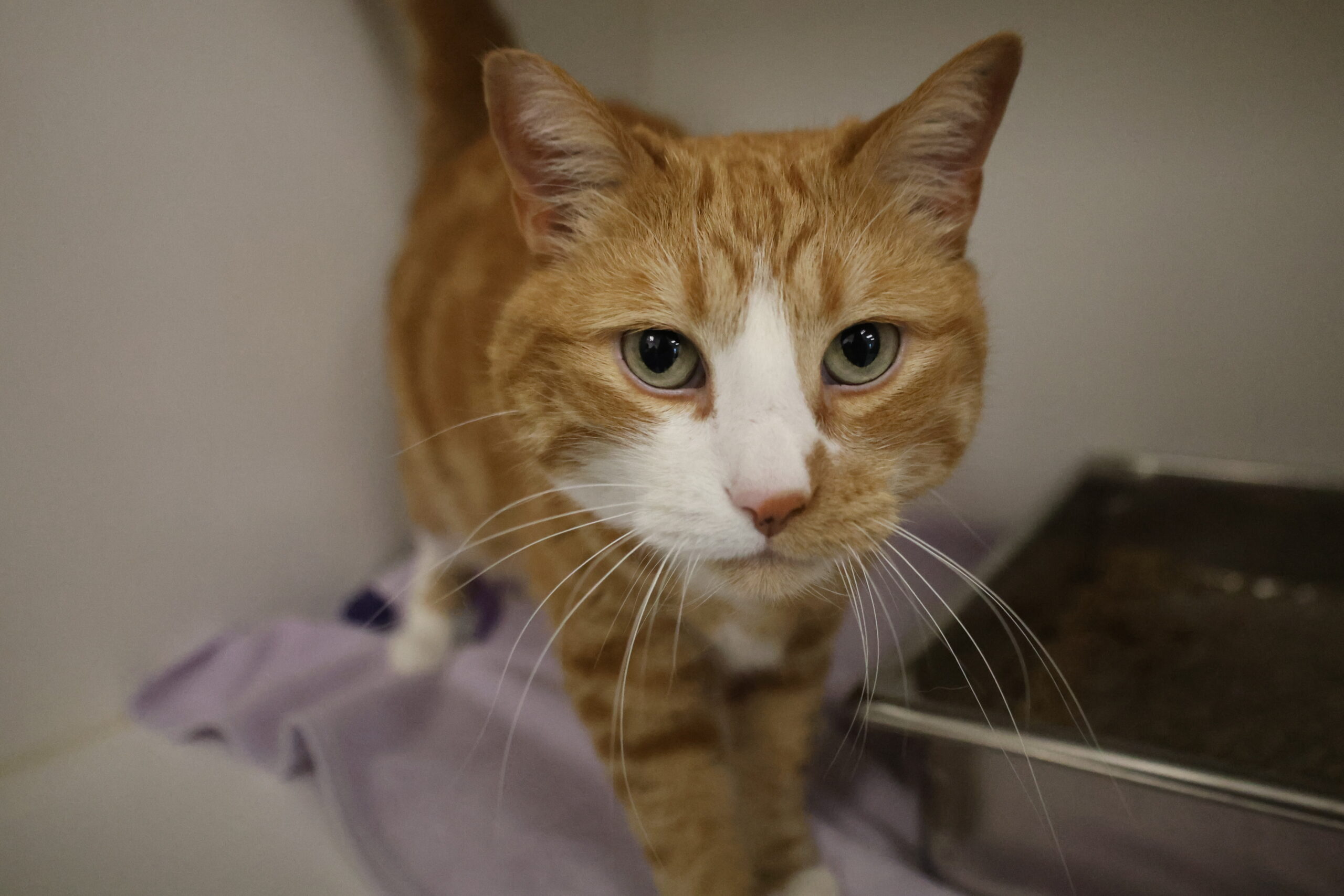
Temporary image placeholder for Muffin’s story

When Excitement Turned to Worry

But excitement for this new dog quickly moved into panic. The cost of care, even for basic care, was more than expected. But the idea of losing Muffin over this was even more frightening.

It seemed silly. How attached could someone get in just 24 hours? Yet somehow, a bond had already formed. Both felt as though they needed the other, not just wanted them.

What could they do?

A question was asked: could the spay be skipped? There were no other intact animals in the home, and they could prevent a pregnancy easily enough.

The vet smiled and said this was a reasonable question. But, the vet explained, spaying and neutering isn’t only about preventing an unexpected litter. It’s also about helping pets live healthier, more comfortable lives. It can reduce serious health risks, support more stable behaviours, and spare animals from navigating a whirlwind of hormone-driven urges they can’t possibly understand.

More Than Preventing a Litter

The vet took their time, patiently walking through the benefits. Spaying can reduce the risk of certain cancers and prevent dangerous infections like pyometra. Spaying and neutering can also help reduce behaviours such as roaming, escaping, and urine marking.

The benefits have social impacts too. Fewer unplanned litters means fewer animals entering already-stretched shelters and more pets finding, and keeping, the homes they deserve.


The challenge wasn’t whether to spay Muffin. It was how to make it possible.

By the end of the conversation, the decision felt clear. Muffin deserved this care.

So, the question returned: what could they do if cost was the barrier?

Making Essential Care Possible

The vet smiled again and said not to worry. Services exist for moments exactly like this, helping ensure necessary care is available to everyone while protecting the beautiful bond that has already been created.

They handed over a card: Calgary Humane Society’s No-Cost Spay/Neuter Program.

The application would take only a few minutes, and within days, Muffin could be scheduled for surgery. Suddenly, what had felt impossible felt achievable.

Muffin wouldn’t lose her family over the cost of a procedure. And her family wouldn’t lose Muffin.
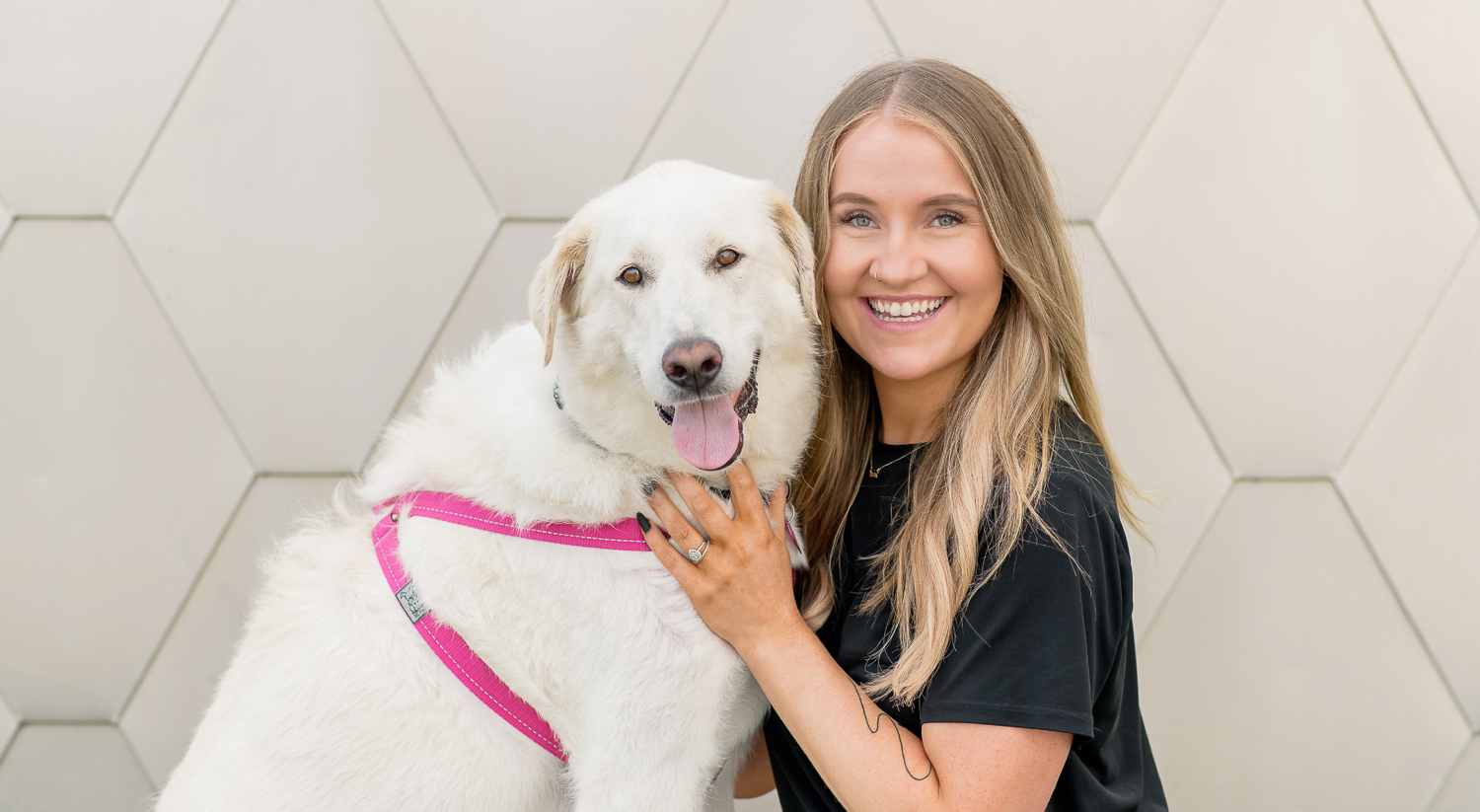
Photo of Sally

Written by

Sally Johnston

Director of Community Services & Pathway Planning, Calgary Humane Society

Pet-Inclusive Housing

Every year, Calgary Humane Society welcomes hundreds of animals whose families never wanted to say goodbye.

While there are many reasons animals come through our doors, one of the most preventable is housing.

For hundreds of families each year, finding a place to live that accepts pets becomes an impossible challenge. Faced with eviction, rising rents, or a landlord who won’t allow animals, many people are forced into an unimaginable position: surrendering a beloved companion simply because they cannot find a home where they can stay together.

These are not stories of people who don’t love their pets. They are stories of people who have run out of options.

At Calgary Humane Society, we see these situations firsthand. They are heartbreaking for families, stressful for animals, and a reminder that animal welfare and human well-being are deeply connected.

Building a More Pet-Inclusive Calgary

Recognizing that this was a growing community issue, we knew meaningful change would require collaboration. But partnerships like this don’t happen overnight.

Two years before this initiative officially launched, we began investing in a relationship with the City of Calgary. It started with a simple but impactful conversation. At our signature Dog Jog event, we had the opportunity to share a brief elevator pitch with Calgary’s Mayor about the challenges families face in finding pet-inclusive housing. That conversation planted the seed for what would become a much larger collaboration.

Calgary Humane Society Dog Jog event

Over the following two years, we continued to build that relationship, sharing Calgary Humane Society’s frontline experiences, data, and vision for a more pet-inclusive city. Together, we recognized that this was not simply an animal welfare issue—it was a housing issue, a social issue, and a community issue.

For me, this project has been one of the most meaningful initiatives I’ve had the privilege to work on. It represents the kind of upstream, collaborative work that can prevent crises before they happen and keep more families together.

Introducing the Pet-Inclusive Housing Initiative

Today, we’re proud to launch our Pet-Inclusive Housing Initiative in partnership with the City of Calgary.

Calgary Humane Society Pet-Inclusive Housing Initiative

This initiative is the result of months of research, collaboration, and planning. Working alongside researchers from the University of Calgary, we sought to better understand the barriers facing pet owners and the concerns facing landlords. The findings confirmed what we’ve long observed through our frontline work: the lack of pet-inclusive housing is a growing issue in Calgary, but it is one that can be addressed through practical, collaborative solutions.

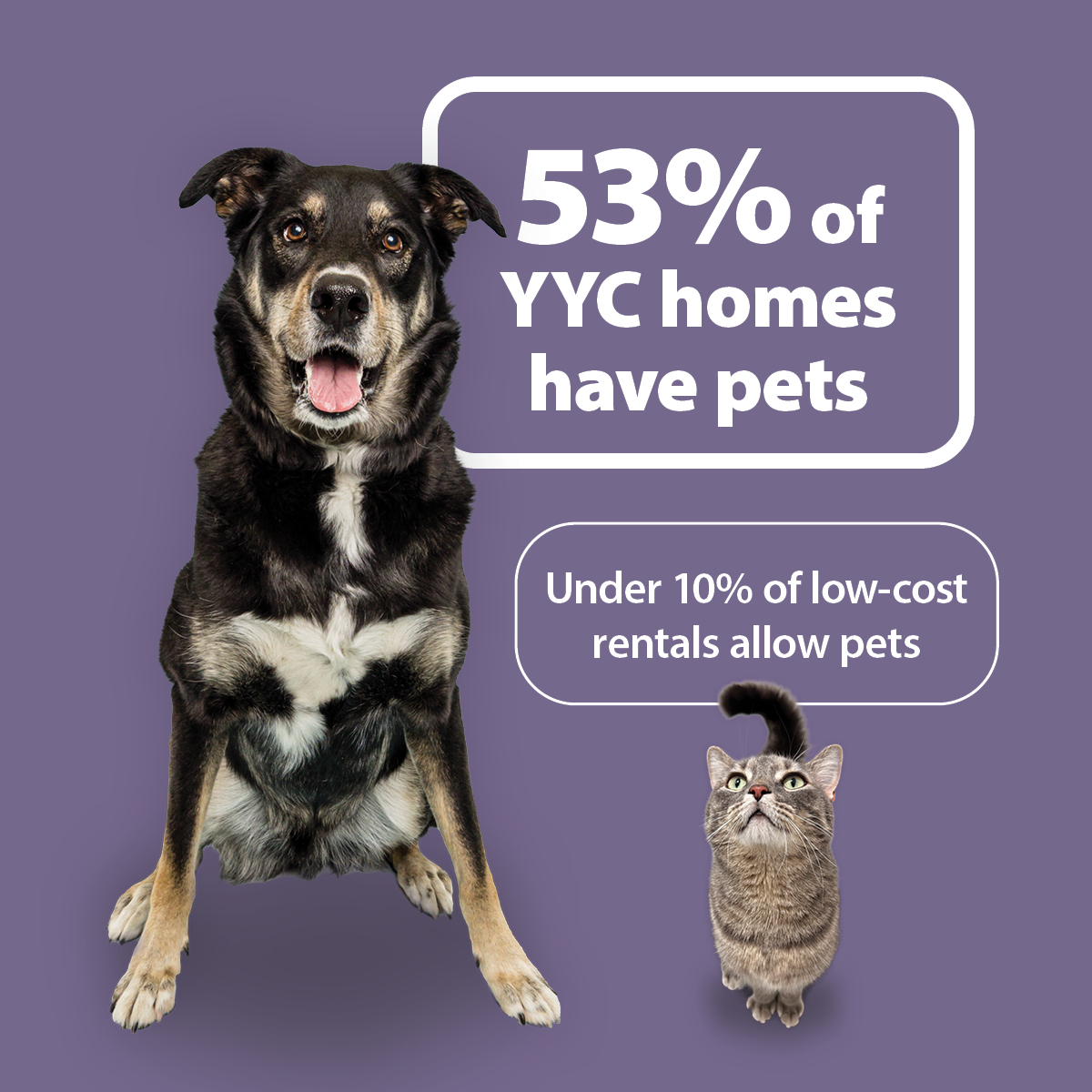
More than 60 per cent of renters surveyed have been denied housing because of a pet.

Our research found that more than 60 per cent of renters have been denied housing because of a pet. We also heard from people who stayed in unsafe living situations because they couldn’t find housing that would allow them to keep their animals. At the same time, landlords told us they are not necessarily opposed to pets; they are concerned about uncertainty, including potential property damage, noise, insurance, and liability.

That distinction is important.

If the concern is risk, then the solution is support.

Rather than asking landlords to simply “allow pets,” this initiative provides practical resources that make pet-inclusive housing easier to manage. Through landlord toolkits, tenant resources, behaviour support, educational materials, and partnerships across the housing sector, we are working to reduce barriers for everyone involved.

Supporting Both Ends of the Leash

This initiative also reflects a broader evolution in animal welfare.

For more than 100 years, Calgary Humane Society has cared for animals in need. Today, we know that protecting animals also means supporting the people who care for them. Preventing surrender is just as important as responding to it, and often the best way to help an animal is to help the family trying desperately to keep them.

No single organization can solve the housing crisis. But together with landlords, housing providers, government, social service organizations, and our community, we can create more opportunities for people and pets to stay together.

Every pet-friendly home has the potential to keep a family together while leaving space in our shelter for the animals who truly have nowhere else to go—those who have been abandoned, neglected, abused, or are in immediate need of protection.

That is what this initiative is about. Not simply changing housing policies, but changing outcomes for people, pets, and our community.

Because no one should have to choose between a safe place to live and the animal they love.

Photo of Anna-Lee and her dog Riley

Written by

Anna-Lee Fitzsimmons

Vice Executive Director & Director of Public Relations, Calgary Humane Society